How Does a Care Home Support Your Independence?

The fear of losing independence can put many people off moving into a care home. However, high-quality homes will actually empower residents to maintain autonomy as if they were still living in their own homes. Care staff with work with residents to find realistic ways of holding onto as much control as possible to support their mental and physical wellbeing.
Whether you’re thinking about making the step towards residential care, or require more comprehensive support such as nursing care or dementia care, your independence should be respected no matter your abilities. In this blog, we’ll explore the ways in which care homes support residents’ independence and why it is so important.
Why is Independence Important?
Living life on your terms is vital for mental and emotional wellbeing. Needing a bit more support shouldn’t mean giving up your independence in return. Thankfully, with personalised care plans and compassionate care staff, a great care home will prioritise your autonomy in every aspect of your care.
Independence is a fundamental need. When we have control over our everyday decisions, we are more satisfied, experience greater self-esteem and sense of purpose. As well as playing a crucial role in our mental wellbeing, our physical health can also be improved when autonomy is maintained. Challenges such as reduced mobility, cognitive decline and chronic health conditions can actually be improved with a supportive and empowering environment, despite the difficulties they may present.
As we get older or if we fall ill, daily tasks, personal care and fun activities can become difficult or sometimes impossible. This loss of independence can lead to feelings of depression, guilt or helplessness. Empathetic care can reduce these feelings by offering the exact level of support you need in a supportive, social setting.
Promoting Independence in Health and Social Care
Creating a Homely Environment
When you first walk into a care home, the first thing you’ll notice is how the home feels. The overall environment of a care home can be almost as important as the actual care provided there. Feeling at home will help you relax, feel more confident and make your transition into a care facility much smoother.
Your bedroom or suite can be decorated with personal items such as blankets, throws, pillows, photos and more. Putting your own stamp on your bedroom can help you maintain your individuality and confidence, as well as helping you relax. Nurse call systems are brilliant for letting you choose when to receive help, without care getting in the way of the way you want to live.
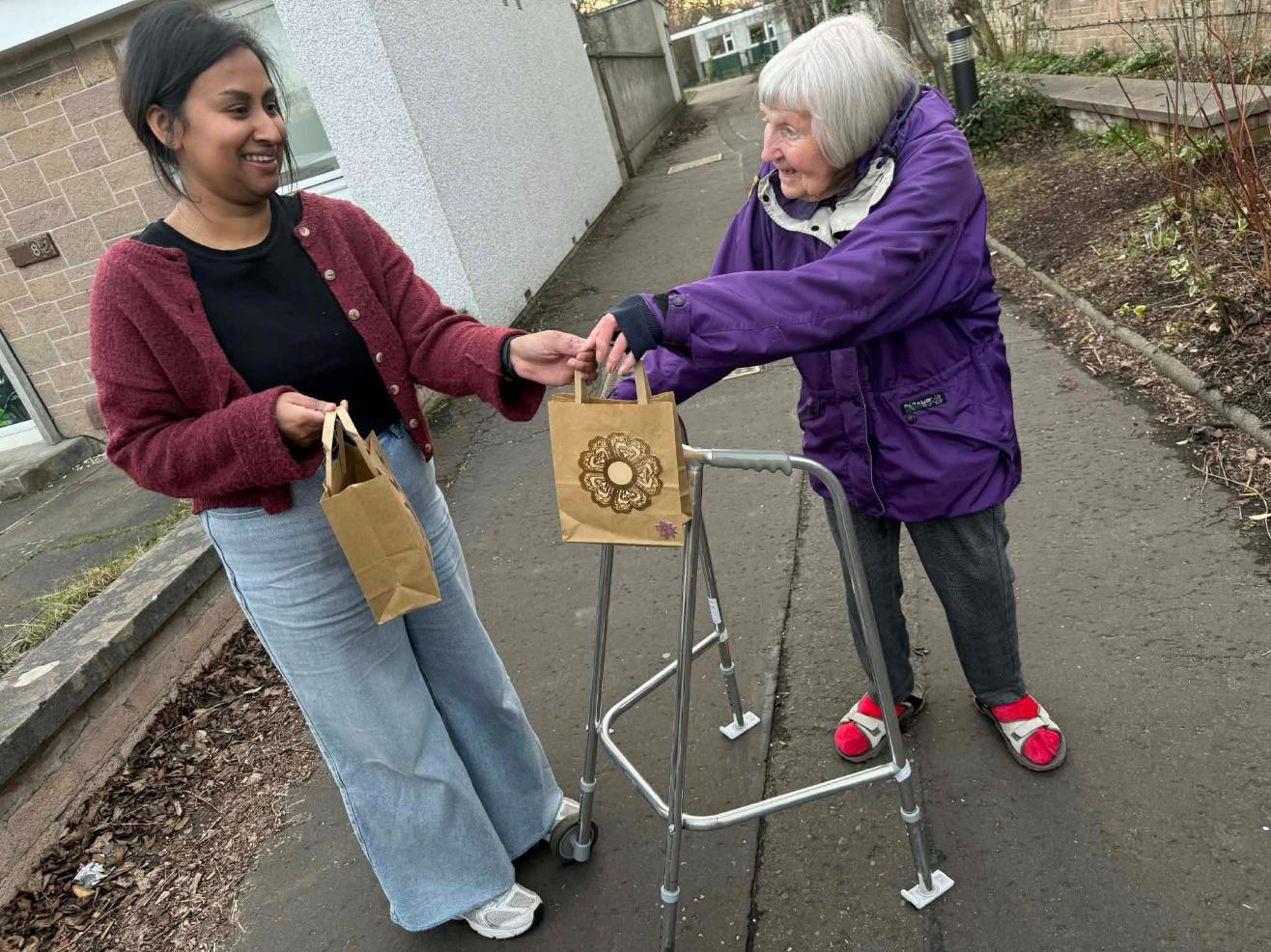
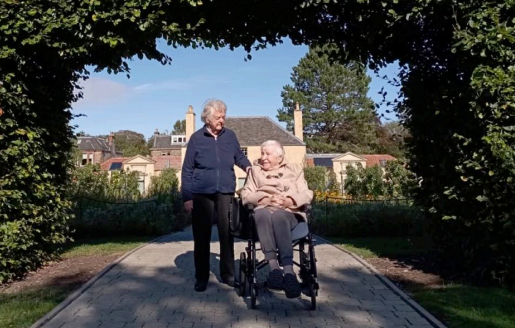
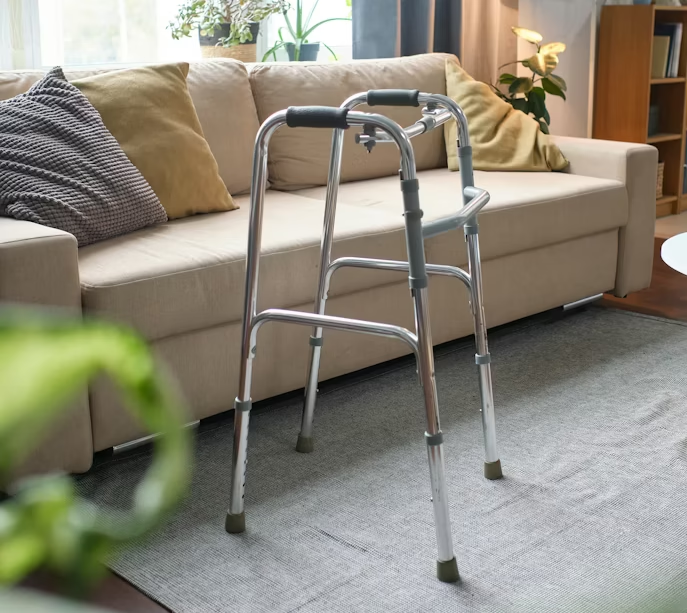
Purpose-built homes will be accessible for all residents and allow you to navigate your new environment with less assistance. If your mobility has declined, handles in corridors and bathrooms, fewer stairs, wide corridors, proper lighting and mobility aids will support your independence without unnecessary interference from care staff. The ability to move from your room, for example, to the dining room or garden on your own is empowering and motivating. The knowledge that a setting is physically safe and that help is at hand if needed will likely mean you are more likely to try being independent; you might even find you are able to do things you didn’t think you could!
Even those with more substantial physical and cognitive decline, such as dementia, can stay independent for longer with just some environmental help. Assistive technology such as specialised clocks, colour-coded signs and labels, easy-grip cutlery and calendar reminders are hugely powerful tools in dementia care for maintaining autonomy.
Supporting Daily Routines
The compassionate care staff in an outstanding care home will respect your choices, listen to you and observe your abilities. There are many reasons someone may require residential care, such as needing help with bathing, dressing and grooming, but every person will require a different level of support. Residents may require anything from simple prompts or reminders to hands-on support. Skilled carers won’t take over everything for residents; person-centred support will shape what you will be assisted with and what you’d rather do on your own.
Additionally, adaptive tools and equipment, such as accessible en-suite wet rooms, can help you continue doing things yourself, and care staff will give you the space you need while being there for your safety and peace of mind. Carers will let you do everything at your own pace without being rushed or pressured to accept help if you don’t want it. Residents’ dignity is of the utmost importance to care staff and even choices such as which toiletries you use are up to you, allowing for decision making and personal preferences to be upheld.
Your routines and choices will dictate when help is offered. Keeping the same routine you had at home can retain your control and comfort, while reducing anxiety. What time you get up and go to bed, eat your meals, what you wear and how you spend your day is completely up to you.
Great care homes will also encourage and enable you to continue with your current commitments and communities you are a part of. This can include attending social events such as a book group or church service. Some all-inclusive care homes offer in-house luxury services such as a hair salon, giving you the opportunity to keep doing things you love and feel your best, in a safe and familiar environment.
Person-Centred Support
Person-centred care is designed to uphold the dignity and independence of care home residents in every aspect of their care. This means that you will be involved in conversations about your own care, your preferences will be respected and your voice will be heard. This approach extends to all areas of your life in a care home, from what you require assistance with to what activities or foods you enjoy most.
Carers following a personalised care plan will ask you what you want and never assume on your behalf. Your care plan will be reviewed regularly, meaning you can focus on the care you need now and will have the opportunity to change your preferences later as your abilities change. Your choices inform every part of your care, including medical treatments, day-to-day tasks and activities. Meal options will also be provided, giving you a choice of nutritious food, catered to your tastes and dietary requirements.
Keeping Responsibilities
Similarly to maintaining your daily routines, you will also be empowered to continue doing what you can for your own health and life. Usually, not having to worry about housework is one of the perks of living in a care home, but for some people doing these small jobs can be relaxing and stimulating. Some residents will take on tasks such as gardening, helping in the kitchen, preparing snacks and drinks or even dusting their own room, to fill them with a sense of purpose and pride.
Keeping Physically and Mentally active
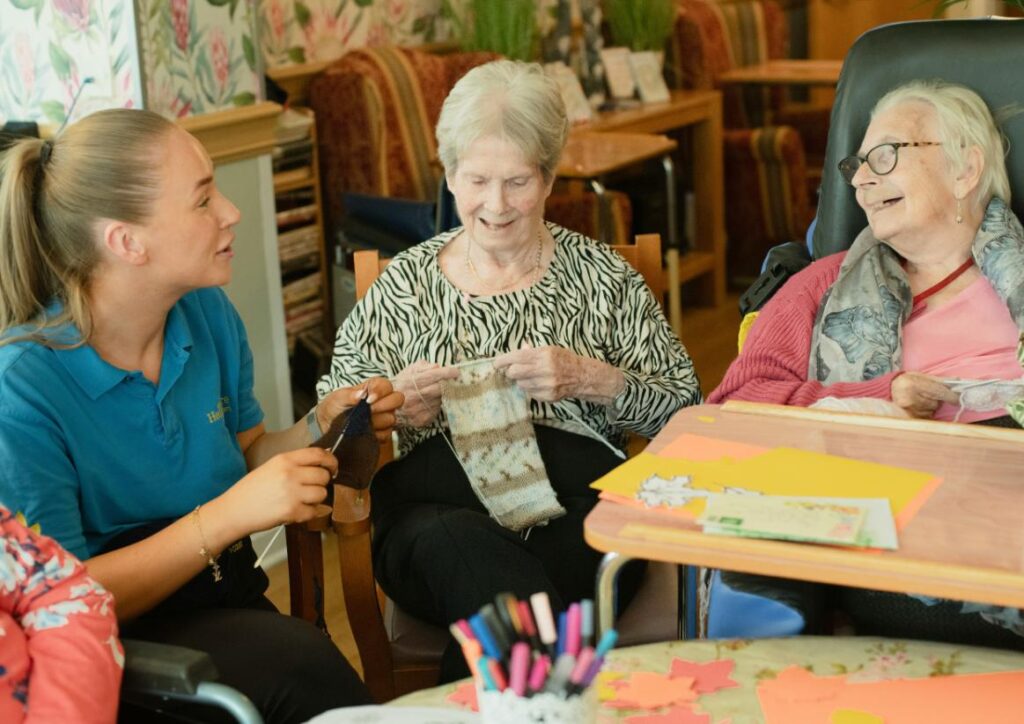
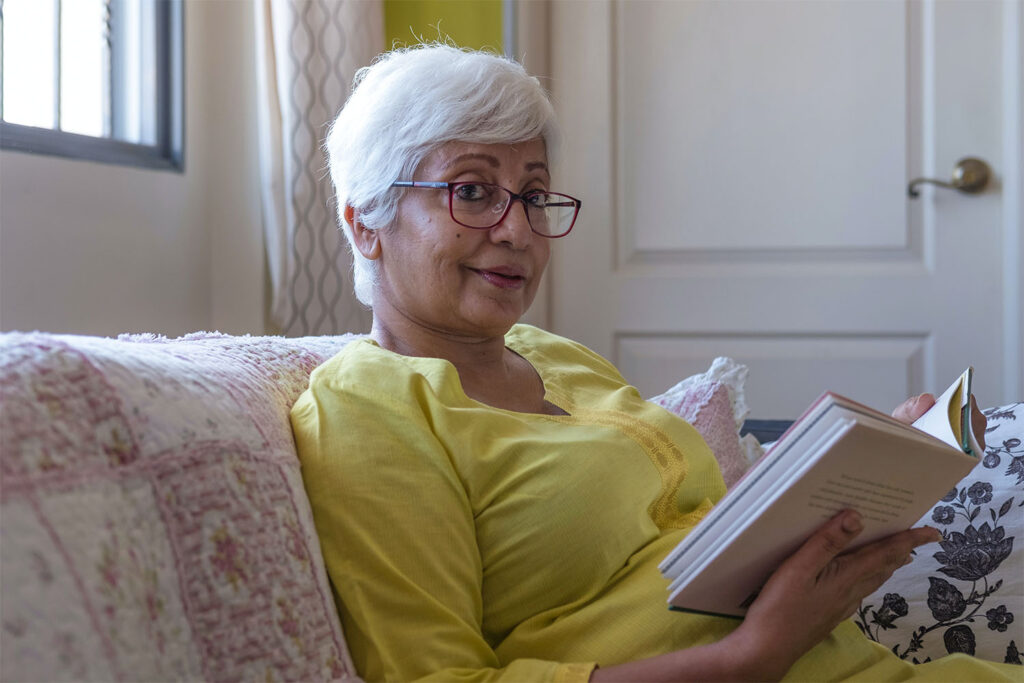
Maintaining hobbies and interests is a huge part of maintaining your sense of individuality and preserving mental health. An activities coordinator in care home will take into account the interests of all the residents and organise a variety of groups and classes accordingly. Whether you love knitting, exercise, talking about sports, or arts & crafts, there will be something to keep you socially and mentally active in a care home. Opportunities for learning and growth are also paramount in creating a supportive environment and slowing cognitive decline for all residents.
Social connection is also vital for mental and physical health. Visits from friends and family, or simply talking to people in similar situation can reduce loneliness, increase self-esteem and boost confidence to be independent. Luxury care homes may also provide additional services such as private gardens for spending time outdoors without leaving the safe home. Transportation to community events and attractions can also been provided, as well as social events in the home such as game tournaments, movie nights and special activities. Visits with local schools or groups also encourage intergenerational bonding and learning.
Personalised Care in Edinburgh
Here at Trinity House Care Home in Edinburgh, we provide a welcoming atmosphere where residents feel cared for and motivated to spend every day doing what they love. Our friendly team works closely with residents and their families to tailor every aspect of their care to the individual. Get in touch today to chat to our friendly team about how we can support your independence in our luxury home.